
Resentment in marriage can stealthily creep in, casting a shadow over what was once a strong bond. Unspoken frustrations and suppressed emotions can give rise to signs that indicate underlying resentment. Recognizing these signs is crucial to address issues and prevent further damage. In this blog, we’ll delve into some common indicators of resentment in marriage and explore how couples can navigate through these challenges.
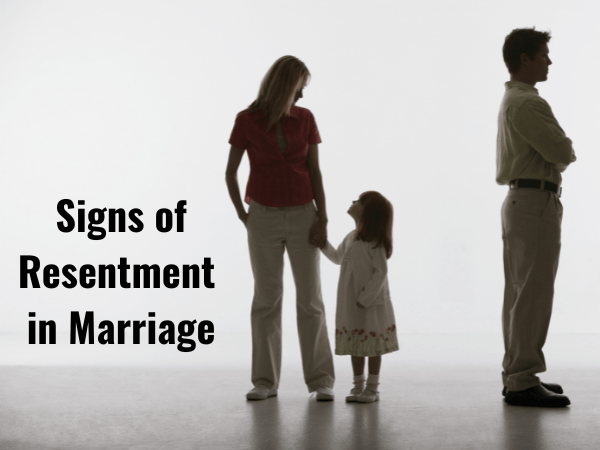
Signs of resentment in marriage
**1. Communication Breakdown:**
Communication is the foundation of any successful marriage, but when resentment takes hold, it can lead to a breakdown in communication. Couples may find themselves avoiding certain topics or engaging in arguments that quickly escalate into heated confrontations. Conversations that were once open and honest might become tense and guarded, as partners fear expressing their true feelings due to the fear of sparking more conflict. This breakdown in communication can create a growing emotional distance between spouses, fostering an environment where resentment thrives.
**2. Emotional Distance and Disconnection:**
Resentment often leads to emotional distance between partners. When one or both spouses harbor negative feelings that go unaddressed, they might start to detach emotionally as a way to protect themselves from further hurt. This emotional distance can manifest as a lack of intimacy, both physical and emotional. Partners may no longer share their thoughts, dreams, or daily experiences, which erodes the sense of connection that binds a marriage together. Over time, this detachment can create a sense of isolation and loneliness within the relationship.
**3. Persistent Negative Feelings:**
A hallmark sign of resentment is the persistence of negative emotions. When one partner feels ignored, unappreciated, or unfairly treated, these feelings can fester and intensify over time. The individual might dwell on past grievances, replaying them in their mind and fueling their resentment. This can lead to a cycle of negative thinking, where every interaction is colored by the lens of past hurts. These feelings can become all-consuming, affecting not only the relationship but also the individuals’ overall well-being.
**4. Unresolved Conflicts:**
Resentment often stems from unresolved conflicts that have been swept under the rug. These conflicts can range from minor disagreements to more significant issues, but when they remain unaddressed, they contribute to the buildup of negative emotions. Partners might choose to avoid confrontation to maintain a semblance of peace, but this avoidance can lead to a simmering resentment that festers beneath the surface. The longer conflicts go unresolved, the harder it becomes to bridge the gap and find a resolution.
**5. Keeping Score:**
A subtle but destructive sign of resentment is the habit of keeping score. Partners might start tallying perceived slights, injustices, or imbalances in the relationship. This can create an unhealthy dynamic where every action is weighed against a mental ledger, leading to an atmosphere of competition rather than cooperation. Keeping score fuels resentment as it perpetuates the belief that one partner is consistently falling short, reinforcing negative feelings and widening the emotional gap between spouses.
**6. Lack of Empathy:**
Resentment can erode empathy within a marriage. Partners who once understood and cared for each other’s feelings may become less inclined to see things from the other’s perspective. Instead, they might view situations solely through their own lens, leading to misunderstandings and an inability to empathize with each other’s emotions. This lack of empathy can further isolate partners and hinder the process of finding common ground.
**7. Emotional Outbursts:**
Pent-up resentment can manifest in unexpected emotional outbursts. The accumulated frustration, hurt, and anger might explode in moments of stress or vulnerability. These outbursts are often triggered by unrelated events but serve as a release valve for the underlying resentment. They can create a cycle of hurtful interactions and exacerbate the tension within the relationship.
**8. Decline in Affection and Intimacy:**
As resentment grows, the physical and emotional intimacy between partners may diminish. Acts of affection, such as hugging, kissing, and holding hands, might become infrequent or even absent. Intimacy in the bedroom can also be affected, as the emotional barriers erected by resentment extend to the physical realm. The lack of affection and intimacy further reinforces the emotional distance between spouses.
**9. Blame and Defensiveness:**
Resentment can lead to a pattern of blame and defensiveness. Partners might point fingers at each other, assigning fault for the issues within the relationship. This blame game can escalate into a cycle of defensiveness, where each partner seeks to protect themselves from perceived attacks. The inability to take responsibility and work together toward solutions only perpetuates the resentment and hinders the healing process.
**10. Loss of Shared Goals:**
When resentment takes root, the shared goals and aspirations that once united a couple may fade into the background. Partners may lose sight of the dreams they once pursued together, as the focus shifts toward the negative aspects of the relationship. The absence of shared goals can rob a marriage of its sense of purpose and direction, leaving both partners feeling adrift and disconnected.
**11. Escalating Power Struggles:**
Resentment can lead to power struggles within a marriage. As negative emotions intensify, partners might seek control or dominance as a way to regain a sense of power over their own emotions. This can result in constant disagreements and conflicts over decisions, both big and small. The desire to exert control can further exacerbate resentment and create an unhealthy dynamic where partners are pitted against each other.
**12. Withdrawal from Social Circles:**
Couples affected by resentment may withdraw from social circles and mutual friends. The emotional weight of unresolved issues can lead partners to isolate themselves, avoiding situations where their relationship might be exposed. This withdrawal can cause a ripple effect, impacting the social fabric of their lives and further deepening their emotional isolation.
**13. Loss of Trust:**
Resentment erodes the foundation of trust upon which marriages are built. Partners may find it increasingly difficult to trust each other’s intentions and actions, as the negative emotions fuel suspicion and doubt. This loss of trust can further amplify the emotional distance between spouses, making it challenging to rebuild the bond that once held them together.
**14. Emotional Indifference:**
Resentment can manifest as emotional indifference, where partners become apathetic toward each other’s feelings and needs. This emotional detachment can lead to a lack of responsiveness and empathy, creating an atmosphere where partners feel unheard and unimportant. The emotional indifference can be incredibly hurtful and deepen the emotional wounds caused by resentment.
**15. Lack of Problem-Solving:**
Resentment often hinders effective problem-solving within a marriage. Partners may struggle to work together to find solutions for their challenges, as the negative emotions cloud their judgment and obstruct productive discussions. Instead of collaboratively addressing issues, they may resort to avoidance or confrontational tactics, perpetuating the cycle of resentment.
**16. Disregard for Emotional Needs:**
Resentment can lead to a disregard for each other’s emotional needs. Partners may become so consumed by their own negative feelings that they fail to recognize or prioritize the emotional well-being of their spouse. This can create a one-sided dynamic where one partner’s emotions and needs are consistently overlooked, intensifying their feelings of resentment.
**17. Unwillingness to Compromise:**
A telltale sign of resentment is an unwillingness to compromise. Partners may dig in their heels on various issues, unwilling to meet in the middle or find common ground. This stubbornness stems from a desire to protect themselves from further hurt, but it also perpetuates a cycle of conflict and prevents the relationship from evolving positively.
**18. Reluctance to Seek Help:**
Couples grappling with resentment may be reluctant to seek outside help, such as counseling or therapy. There might be a belief that they should be able to handle their issues on their own or a fear that seeking help is an admission of failure. This reluctance can prolong the negative effects of resentment and hinder the path toward resolution.
**19. Emotional Avoidance:**
Partners affected by resentment might resort to emotional avoidance as a coping mechanism. They may distance themselves emotionally, preferring not to engage in deep conversations or address challenging topics. While this might offer temporary relief, it further deepens the divide between partners and prevents the emotional healing that’s necessary for a healthier relationship.
**20. Diminished Sense of Humor:**
Resentment can lead to a diminished sense of humor within a marriage. Couples may find it increasingly difficult to share lighthearted moments or laugh together, as negative emotions cast a shadow over their interactions. The absence of humor and playfulness can contribute to a joyless atmosphere that further isolates partners from each other.
**21. Escalating Criticism:**
As resentment festers, partners might engage in escalating criticism of each other. What once were constructive suggestions or minor observations can turn into hurtful remarks that attack the other’s character or abilities. This pattern of criticism further deteriorates the emotional connection and fuels the cycle of resentment.
**22. Secretive Behavior:**
Resentment can lead to secretive behavior within a marriage. Partners might hide their true feelings, actions, or decisions to avoid potential conflict or judgment. This secrecy creates a sense of mistrust and distance, as one partner feels excluded from the other’s life, worsening the overall relationship dynamics.
**23. Emotional Exhaustion:**
Living with resentment takes a toll on emotional well-being. Partners grappling with unresolved negative emotions may experience emotional exhaustion and drain. The constant mental burden of carrying resentment can lead to stress, anxiety, and even depression, impacting both their individual well-being and the health of the relationship.
**24. Fixation on Past Issues:**
Resentment often keeps couples fixated on past issues, preventing them from moving forward. Partners may continuously bring up past grievances in arguments or discussions, preventing them from finding resolution and closure. This fixation on the past prevents the growth and change necessary for a healthy marriage.
**25. Impact on Children and Family:**
Resentment within a marriage doesn’t exist in isolation; it affects the larger family unit. Children, if present, can sense the tension and emotional distance between their parents. This environment can lead to confusion, anxiety, and negative emotional impacts on children. Additionally, extended family and friends may also notice changes in the couple’s dynamics, affecting broader social connections.
In the intricate tapestry of marriage, resentment can unravel the threads of love and trust. Ignoring the signs only allows the problem to fester, potentially leading to irreparable damage. By acknowledging and openly discussing these signs, couples can foster healthier communication and find ways to rekindle the flame that once burned brightly. Remember, it’s never too late to seek help, rebuild bridges, and rediscover the joy that a strong and resilient marriage can bring.